If your phone stopped ringing this week and you have no idea why, keep reading.
Google just rolled out one of the most aggressive changes to local search in recent memory. If you’re a small business relying on Google Maps to bring in calls and leads, this one’s going to hurt.
Let’s break down exactly what changed, why it’s a problem, and what you can actually do about it before you lose even more business.
The Four Changes You Need to Know About
Google made four major changes to what’s called the “Map Pack.” That’s the top three local business results you see when someone searches for a service in their area. If you’ve ever Googled “plumber near me” and seen three businesses pinned on a map at the top of the page, that’s the Map Pack.
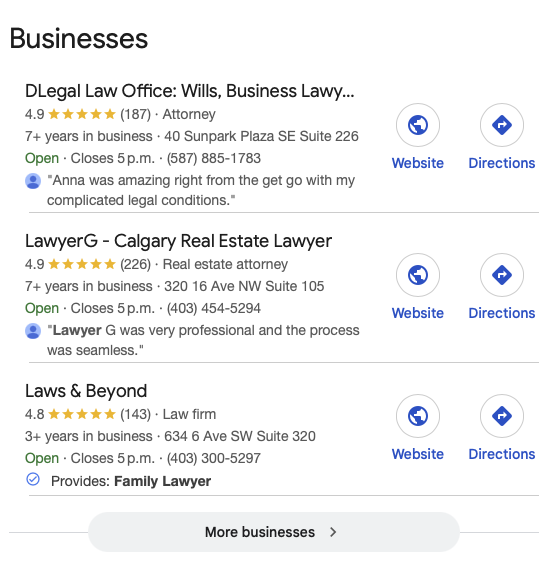
1. All the Contact Buttons Have Been Removed
No call button. No directions. No website link. Nothing.
You could be the number one result in the Map Pack and people still can’t easily contact you. Businesses spend years working to land in those top three spots, and Google just removed the entire reason for being there.
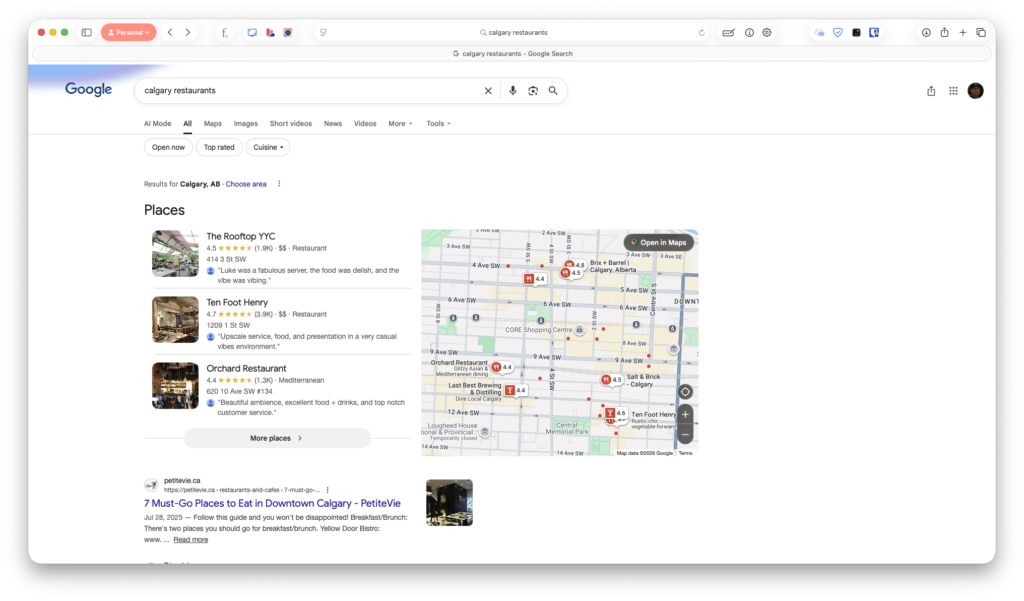
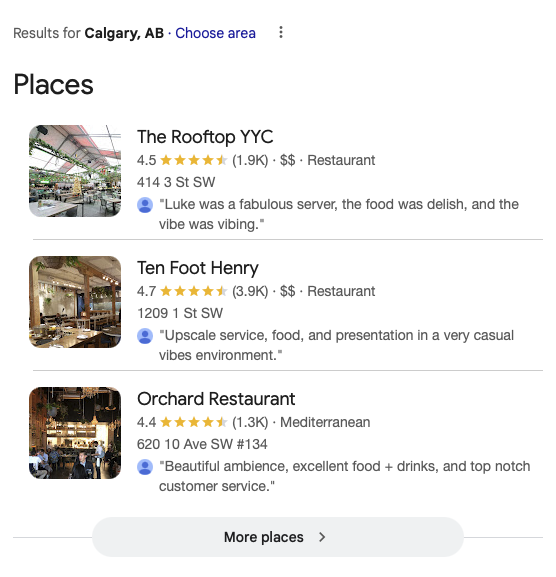
2. Google Is Now Splitting “Businesses” and “Places”
If Google thinks someone wants to go somewhere, like a restaurant or a park, it shows “places.” If it thinks they want to hire someone or spend money on a service, it shows “businesses.”
It sounds like a small change, but it’s completely reshaping who shows up in search results and when.
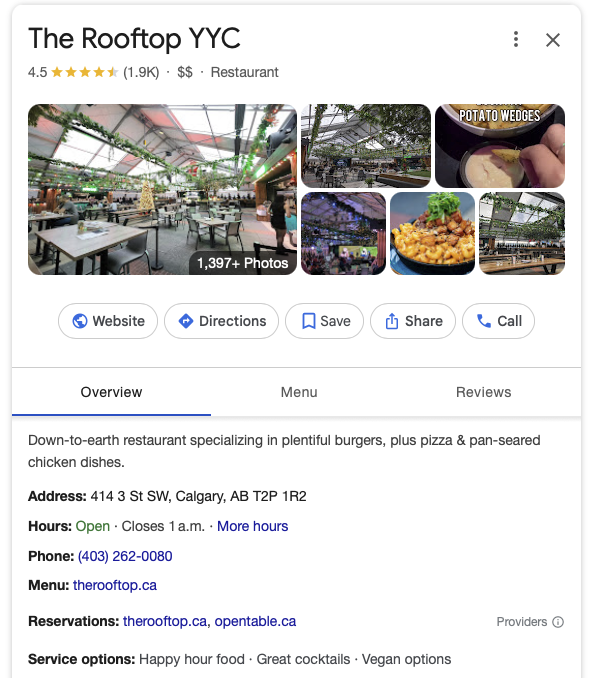
3. Images Are Now Showing Up in the Map Pack
Here’s the one piece of actually good news. The photos on your Google Business Profile now appear directly in search results, and when someone clicks on them, they can see your contact information. Better photos mean more people engaging with your listing. This is something you can control.
4. Only Paid Listings Get the “Call Now” Button
This is the worst one. If you’re not running Google Ads, you don’t get a call button. Period. Google took the contact buttons away from everyone who isn’t paying for advertising.
And when you understand what that really means, it gets much worse.
The Catch-22 That Makes This Even Worse
To get that call button back, you need to run Google Ads with a feature called a “Location Extension.” That basically tells Google to show your business address alongside your ad.
Sounds reasonable, right? You’re a local business, so you use a location-based ad feature.
Here’s the problem: to use a Location Extension, you need to display a physical address on your Google Business Profile.
If you’re a pest control company, a wildlife removal service, a cleaning company, or any business that travels to your customers instead of having them come to you, Google’s own rules say you are NOT supposed to show a physical address. You’re supposed to hide it and only show the area you serve.
Let that sink in.
Google removed the contact buttons from free search results. The only way to get them back is to run ads with a Location Extension. But to use that feature, you have to break Google’s own rules.
Small businesses now have to choose between following Google’s guidelines and actually being able to compete. And if you do show your address to run those ads? You risk getting your profile suspended, having to go through re-verification, or getting removed from Google entirely.
This isn’t an accident. This is Google putting small businesses in an impossible position.
Why This Matters More Than You Think
For years, showing up in the Map Pack was enough. Even if your website didn’t rank well in the regular search results below the map, a top-three Maps spot could keep your phone ringing. It worked the other way too. If your website ranked well in regular search results, you didn’t necessarily need to be in the Map Pack.
That’s no longer the case.
Now you need to show up in both. If you’re in the Map Pack but people can’t click a button to call you, you might as well not be there. If your website ranks well but you’re not in the Map Pack, you’re missing a huge chunk of people who never scroll past the map.
To make it even harder, there’s evidence that when you do well in Maps, Google actually pushes your website down in the regular search results. So you’re fighting an uphill battle no matter what.
Every change like this makes businesses more dependent on paid ads. This isn’t about making search better for people looking for services. It’s about forcing you to pay.
What You Can Do About It Right Now
Enough bad news. Here’s what you can actually do.
Stop Linking Your Google Business Profile to Your Homepage
Instead, create a separate page on your website that’s specifically built for your local area. Write content that’s relevant to the people within five miles of your business. Then point your Google Business Profile to that page instead of your main homepage. This tells Google your business is deeply connected to that local area, which helps you show up in both Maps and regular search results.
Add Fresh, High-Quality Images to Your Google Business Profile
Since your photos are now clickable and lead people to your contact info, this might be the single best thing you can do right now. If you’re a pest control company, show close-ups of the pests you handle. Before-and-after shots. Your team in action. Make those images good enough that people actually want to click on them.
If You’re Running Google Ads, Add Extra Links
Even if you can’t use the Location Extension without breaking Google’s rules, you can still add extra clickable links to your ads like “Get a Quote” and “Contact Us.” These show up in regular search results and give people a clear way to reach you.
Switch Your Main Google Business Profile Phone Number to a Tracking Number
Put your regular office number as the backup. This way you can actually see how many calls are coming from your Google listing versus other sources. You can’t fix a problem you can’t measure.
Invest in Getting Your Website to Rank Higher
This is the big one. You can’t depend on the Map Pack anymore. You need your actual website to show up when people search for the services you offer. That means regularly publishing helpful content, getting other reputable websites to link to yours, and making sure your website is technically sound and fast. If you’re not working on this already, you’re leaving your business exposed.
The Real Problem: Keeping Up With All of This
Here’s the honest truth. If you’re trying to manage all of this yourself (updating your Google profile, building new pages, running ads, taking photos, improving your website) it’s a full-time job on top of actually running your business.
And every single time Google changes the rules, you have to start learning a whole new set of best practices.
This is exactly why we built Mountain Thirteen the way we did.
Mountain Thirteen is a design and marketing subscription service built specifically for businesses dealing with exactly this kind of chaos. You pay a flat monthly rate and get unlimited design and marketing requests. No per-project fees. No surprise invoices.
When Google makes a change like this, you don’t have to scramble to find a freelancer or figure it out yourself. You submit a request and we handle it.
- Need a local page on your website built to attract nearby customers? Done.
- Need fresh photos added to your Google Business Profile every month? Done.
- Need ads and clickable links that actually get people to contact you? Done.
- Need someone watching for these changes and adjusting your strategy before you lose business? That’s literally what we do.
Flat monthly rate. Unlimited requests. Fast turnaround. And a team that actually understands local search and small business marketing.
Google Isn’t Going to Stop
These changes aren’t going away. Google’s AI-powered search results are coming next, and the Map Pack is only going to become less prominent over time. The businesses that come out the other side are the ones with strong websites, solid marketing foundations, and systems that can adapt quickly when things change.
If you’re tired of constantly reacting to Google’s changes, Mountain Thirteen was built for you.
Book a call with us and we’ll walk you through exactly how we’d handle your specific situation.
And if you’ve noticed your calls dropping this week, drop a comment below. We want to hear how widespread this is.